合作夥伴

NASDAQ是全球第一個電腦化的證券交易所。
NASDAQ主要交易科技公司的股票。除了股票交易,NASDAQ也提供其他金融服務,如期貨和衍生品交易、資產管理和數據服務。
美國佔有全世界股票市值總額超過50%,聚集全球各產業的龍頭公司,而Nasdaq擁有超過 50% 美股成交量市佔。
百商數位是NASDAQ在台灣唯一的指定數據整合及介接商,將提供客戶最穩定、快速的美股行情資料及盤後數據資料。
合作夥伴

ICE擁有並運營12個受監管的交易所與市場,包括美國、加拿大、歐洲的ICE期貨交易所、歐洲Liffe期貨交易所、紐約證交所、股票期權交易所,以及場外能源、信用和股票市場。
ICE數據庫(ICE Data Services)提供市場數據與分析服務,涵蓋多種資產類別,協助用戶進行投資、交易、合規與風險管理。其解決方案包含即時與歷史數據、指數與交易資料,並以安全靈活方式提供。
百商數位支援ICE資料庫及數據API介接,並可提供大型客服平台建置服務。
合作夥伴

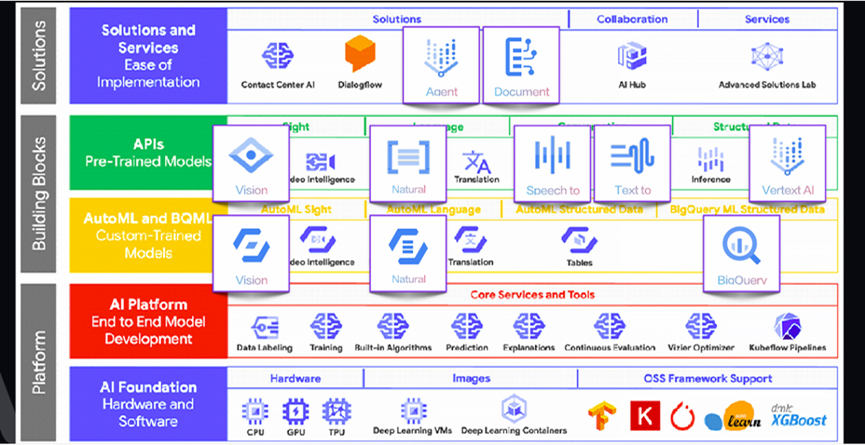
百商數位在GOOGLE環境下,提供AI系統整合與創新業務,強化算力介接及客製化中間層。
同時,支援AI客服、影音自動生成、研報產生、資料整合等平台,幫助客戶實現數據與AI應用的有效連接。
合作夥伴

IBM與百商數位合作,為客戶提供證券、期貨交易整合平台,運用IBM主機(Mainframe)高效計算,處理大量數據與交易,並確保最高等級的安全性與可靠性。
主機在商業資料庫、交易服務器及需高彈性與安全性的應用中扮演關鍵角色,如 Linux on Power、Non-stop LinuxOne。
另提供地端AI解決方案,協助高監管企業實踐AI同時兼顧資安與個資保護。
合作夥伴

MT Newswires 是一家專注於提供全球金融新聞的公司。該公司提供原創、實時、多資產類別的新聞,超過180個主題、觸及逾10億讀者。
MT Newswires 的新聞服務被全球最大的銀行、經紀公司、專業市場數據、金融門戶、交易、財富管理和研究應用所使用,並以其卓越的服務和實時市場知識而聞名。
百商數位 是MT Newswires 在台灣唯一的指定數據整合及介接商,將提供客戶穩定、快速的美股及海外商品即時新聞、目標價等資料。
合作夥伴

IB盈透證券提供多元化的金融商品交易,包括股票、ETF、期貨、選擇權、債券、外匯、基金以及差價合約(CFD)等,覆蓋超過150個市場和34個國家,巳提供中文介面和客服。
百商與IB公司巳有企業用資產管理平台串接之合作,並提供國內企業用戶及機構法人系統整合服務。



Vimic AI FinTech Solution: MDBS Drives Smart Customer Service & Digital Avatars
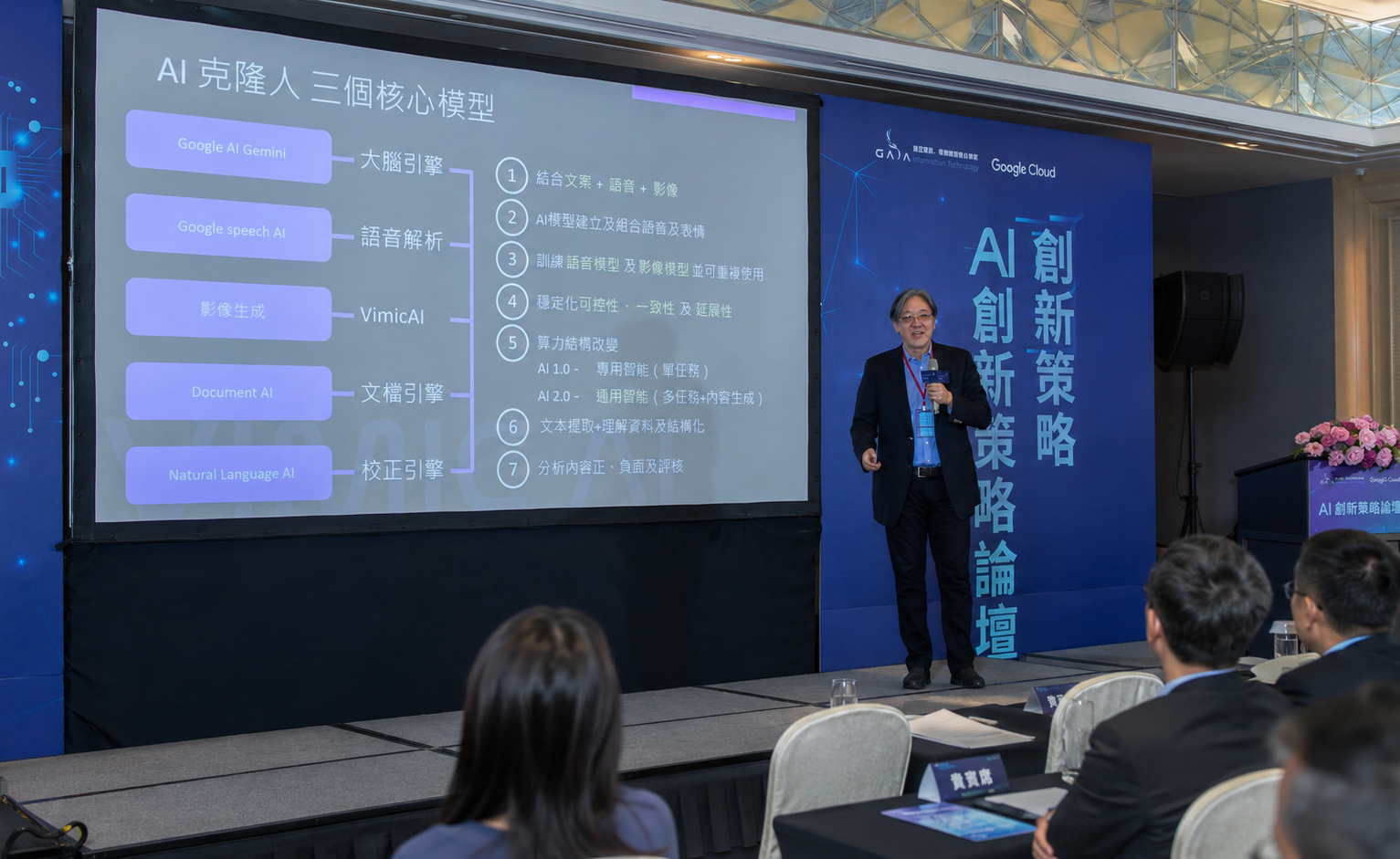
Rule-Based + Generative AI: Building More Governed Financial Service Applications
Financial services place a strong emphasis on accuracy, compliance, and information security. Therefore, AI adoption should not focus solely on automation; it must also ensure that response content is controllable, workflows are verifiable, and applications are scalable.
Vimic AI adopts a rule-based + generative AI application architecture, enabling AI to assist with standardized and repetitive Q&A and service processes, while complex scenarios or situations requiring higher-level judgment remain handled by human staff.
Through this design, enterprises can improve service efficiency while reducing risks during AI adoption, allowing them to gradually expand the scope of application according to different business needs.
Smart Customer Service and Digital Avatars: Enhancing Customer Interaction Experiences
In customer service scenarios, Vimic AI can help enterprises build smart customer service systems that support frequently asked questions, product information inquiries, service process explanations, and member interactions. By integrating AI with existing knowledge bases and service workflows, enterprises can provide more immediate, consistent, and scalable interaction experiences.
In addition to text-based customer service, Vimic AI can also be combined with voice and image generation technologies to develop digital avatars and digital identity applications. Enterprises can apply digital characters to product introductions, training programs, brand communications, and digital service scenarios, allowing financial services to move beyond text-only interactions and evolve into more approachable, interactive, and multimodal experiences.
Integrating into Daily Financial Workflows: Supporting Research, Marketing, Customer Service, and Operations
Vimic AI is not limited to being a standalone customer service tool; it can also be extended into the daily operational workflows of the financial and securities industries.
In research and data processing scenarios, it can assist in organizing external reports, financial documents, and market data, extracting key points, generating summaries, and comparing trends to improve the efficiency of information consolidation and content production.
In marketing and product applications, Vimic AI can transform complex information into easier-to-understand explanatory content, supporting market summaries, product introductions, member communications, and marketing material generation, thereby enhancing the speed and quality of financial content production and communication.
Combining Google Technology Resources to Drive the Implementation of Enterprise AI Solutions
Based on the technology resources provided by Google, MDBS continues to develop FinTech AI application solutions, helping enterprises introduce generative AI into real-world operational scenarios.
As AI technology continues to evolve rapidly, the competitiveness of the financial industry will no longer come only from products and services themselves, but also from whether enterprises can effectively leverage AI to enhance customer interactions, data processing, content production, and operational efficiency.